


Key Benefits of Sports Massage for Recovery

Why Your Recovery Routine Needs an Upgrade

If you're serious about your fitness, whether you're training for a marathon, hitting the weights hard, or just enjoying regular high-intensity exercise, you know the feeling: muscle fatigue, that heavy, stiff sensation that creeps in a day or two after a tough session.
This is your body telling you it needs to repair. While rest, good sleep, and proper nutrition are the bedrock of recovery, sometimes you need something more direct, something that actively assists the body's natural healing process. That's where sports massage - the secret weapon of professional athletes comes into play.
Too often, we view a massage as a luxury or a treat. But, if you are an active individual, a regular sports massage should be a crucial, non-negotiable part of a well-rounded training programme. Let's dive deep into exactly how this targeted treatment can transform your active lifestyle.
1. How Sports Massage Helps the Body Heal.
Sports massage focuses on easing tension in soft tissues, improving circulation and supporting mobility. The techniques often involve firm pressure, stretching, rhythmic compressions and sustained holds to encourage the body to release tightness. Many people notice immediate relief, while others feel the effects unfold over the next day.
The unique advantage of sports massage lies in its purposeful approach. It looks at how muscles, fascia and joints interact during physical activity, then addresses the areas that take the most strain. By improving tissue quality, the body recovers faster and experiences fewer obstacles during training.
2. The Science Behind Sports Massage.
There is growing scientific evidence showing that sports massage can play a meaningful role in recovery after exercise. A key review, “Massage Alleviates Delayed Onset Muscle Soreness after Strenuous Exercise: A Systematic Review and Meta‑Analysis” [1], pooled data from 11 studies (504 participants) to measure how massage affects muscle soreness, strength, and recovery after intense workouts.
The results were clear: compared with no intervention, those who received massage experienced significantly less muscle soreness at 24, 48 and 72 hours post‑exercise. In addition, some measures of muscle performance (such as maximal isometric force and peak torque) improved, and blood markers of muscle damage (such as creatine kinase, CK) were lower after massage treatment.
Another larger meta‑analysis titled “Effect of sports massage on performance and recovery: a systematic review and meta-analysis” reviewed 29 eligible studies with a total of 1,012 participants. [2] This study found that while massage contributes to statistically significant improvements in flexibility and reduction of delayed onset muscle soreness (DOMS).
This evidence strengthens the case that sports massage is more than a feel‑good treat. It supports biological recovery processes, so your muscles, joints and nervous system recover efficiently after stress, which in turn helps you train smarter and stay consistent.
3. Key Benefits of Sports Massage for Recovery.
3.1. Reduced Muscle Soreness and Tension.
One of the most recognised benefits of sports massage is its ability to ease muscle soreness. After heavy training, the body often feels tight, achy and slow to respond. Sports massage helps soften those stubborn knots and prevents them from building up into painful restrictions.
Many of our clients report feeling lighter, more mobile and more comfortable in their everyday movement. When muscles are relaxed and healthy, performance naturally improves because the body can move the way it was designed to.
3.2. Faster Recovery After Training or Competition.
Every athlete wants to shorten recovery time without sacrificing quality. Sports massage improves circulation, which delivers oxygen and nutrients to tired muscles. Fresh blood supply supports tissue repair and helps flush out metabolic waste.
The result?A body that feels ready for the next session sooner.
This is especially important for individuals who train multiple times a week or compete regularly. Consistent sports massage creates a recovery rhythm that keeps performance levels high and prevents burnout.
3.3. Improved Flexibility and Range of Motion.
Mobility is a huge part of athletic performance, but it’s often overlooked. Tight muscles limit power output, reduce agility and increase the risk of strain. Sports massage helps lengthen tight tissues and restores movement to joints that feel restricted.
Enhanced mobility helps you:
Run with better stride quality
Lift weights with a safer form
Perform explosive movements more efficiently
Avoid stiffness the day after training
Small improvements in range of motion can significantly impact technique and comfort.
3.4. Injury Prevention and Long-Term Joint Health.
Sports massage also plays a crucial role in preventing injuries. Tight muscles often pull joints out of their optimal positions, placing stress on ligaments and tendons. Over time, this can create painful patterns that limit progress.
A skilled sports massage therapist can spot tension or imbalance early, long before it becomes a bigger issue. Addressing these areas helps stabilise movement and reduce the chances of muscle strains, tendinopathies and overuse injuries.
This benefit alone makes sports massage an invaluable part of any serious training routine.
3.5. Better Mental Focus and Stress Relief.
Recovery isn’t just about muscles. The mind plays a major role in performance. Sports massage encourages the body to switch into a calmer state, quieting the nervous system and easing mental tension.
People often feel more grounded, relaxed and clear-headed after a session, which can enhance motivation and sharpen concentration. For anyone juggling work, training and day-to-day responsibilities, this mental reset is powerful.
4. Who Benefits Most from Sports Massage?
Sports massage isn’t just for elite athletes; it’s ideal for anyone whose body experiences frequent physical stress. People of all activity levels can gain from targeted soft tissue therapy, whether your goals are faster recovery, reduced soreness, improved mobility, or injury prevention.
Runners, cyclists, weightlifters, footballers, martial artists, and regular gym-goers all put repetitive strain on their muscles and joints. Sports massage can help manage that tension, ease soreness, and maintain flexibility so you can perform at your best. The techniques are tailored to the individual, meaning each session focuses on the areas that need it most, whether that’s improving recovery after a race, supporting heavy lifting, or preventing overuse injuries.
Even if you’re not training professionally, sports massage can help manage minor muscle strains, stiffness, or tension from everyday activities. It promotes circulation, supports muscle repair, and helps maintain balanced movement patterns, reducing the risk of future discomfort.
Manual labourers, teachers who spend long hours on their feet, or anyone with repetitive movements can experience tightness or fatigue similar to what athletes feel. Regular sports massage helps release built-up tension, maintain posture, and restore mobility, making your daily life feel easier and less taxing.
Conditions such as Sciatica, where nerve irritation or compression causes pain, tingling or stiffness in the lower back, glutes or legs, demand careful, targeted care. In many cases, combining gentle stretches with expert massage can relieve discomfort and support recovery. If you manage sciatic nerve discomfort, a tailored approach combining massage with safe stretching is often more effective than relying on a single method.
Those stretches complement sports‑massage sessions, helping your body stay mobile, balanced, and less prone to flare‑ups. Good recovery isn’t just about muscles; quality sleep is crucial. One of our blog articles, "Physical Exercise and Better Sleep," explains how regular physical activity helps you sleep more deeply and supports the restoration of your nervous and muscular systems.
Sports massage complements this process by easing muscle tension and reducing stress, creating the perfect conditions for restorative sleep and faster overall recovery. You don’t need weekly sessions to experience results, but regular treatments, every two to four weeks, can help your body stay in peak condition.
Over time, consistent care supports:
Better posture and alignment
Balanced muscle function
Reduced tension and stiffness
Greater resilience during activity or exercise
Whether you train intensely, move frequently, or simply want to take care of your body, sports massage can be adapted to suit your needs and lifestyle.
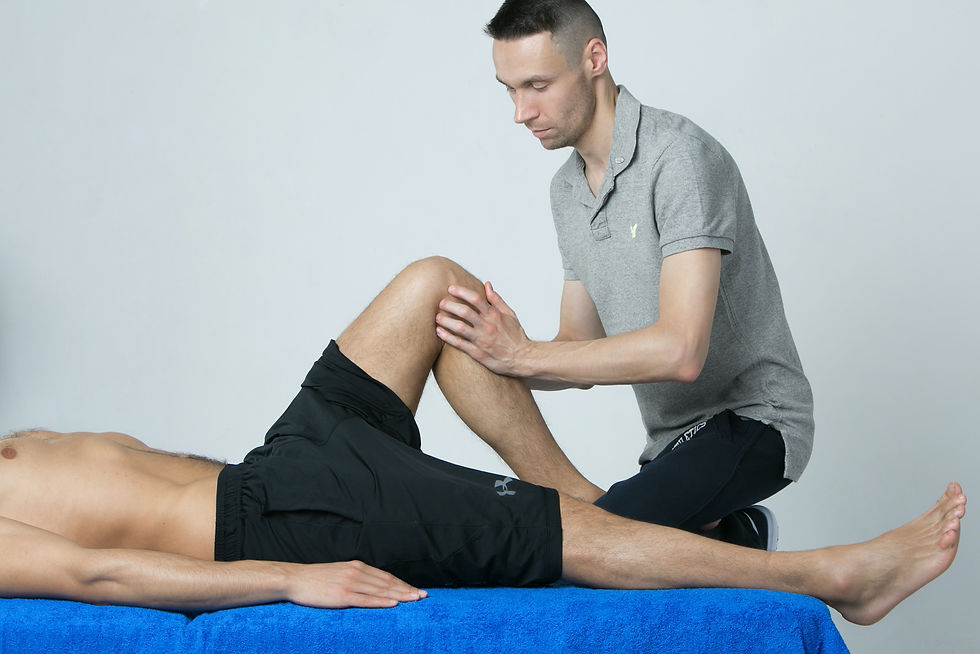
5. What to Expect During a Sports Massage Session.
A typical session begins with a conversation about your training routine, any injuries and the areas that feel tight or fatigued. This helps the therapist choose the right techniques.
During the massage, you may feel firm pressure, stretching and deep muscle work. Some moments might feel intense, but they shouldn’t be painful. Communication with your therapist ensures the session stays effective and comfortable.
Afterwards, most people feel looser, more mobile and relaxed. Drinking water, gentle stretching and a good night’s sleep help the benefits settle in.
6. Summary.
Sports massage has earned its reputation as one of the most effective recovery tools for active people. It supports faster healing, reduces soreness, improves mobility and helps prevent injuries. Beyond the physical benefits, it also offers a mental reset that keeps motivation high and training enjoyable.
If you’re aiming for consistent performance, fewer setbacks and a more balanced body, sports massage is a wise investment in your long-term health and fitness.
Are You Ready to Feel the Difference?
Book your sports massage at The Box London in West London today and experience a more effective way to recover. Your body will thank you.
FAQs
Is a sports massage painful?
Sports Massage can be intense, especially when the therapist is working on a deeply knotted or adhered area (a trigger point). However, the sensation is often described as a "good pain" or a deep ache. A qualified therapist will always work within your personal pain tolerance to ensure the treatment is effective but not damaging. Communication is key.
How often should I get a sports massage?
The frequency depends entirely on your training volume and intensity. For high-volume athletes, once a week or every two weeks might be necessary. For those training 3-4 times a week, a maintenance sports massage every three to four weeks is a good starting point to keep tissues pliable and address minor issues.
Is sports massage only for athletes?
Not at all. Anyone who experiences muscle tension, sits for long hours or leads a physically demanding lifestyle can benefit.
Can sports massage help with old injuries?
Sports massage can improve mobility and reduce tension around old injuries. It supports rehabilitation, but you should pair it with appropriate medical advice if the injury is complex.
Trusted Sources:
[1] Frontiers
[2] PMC


Comments